You know, with the way global trade is changing so fast these days, it’s absolutely crucial for manufacturers to stay on top of their import-export certifications, especially in the gas engine sector. Take TECHIE Inc., for example. They’re a big player in making ignition systems for stationary gas engines, including MWM Spare Parts. They really get how important it is to stick to international standards and regulations. According to the International Trade Centre, we’re looking at a global market for spare parts in the automotive and industrial engine sectors that’s expected to hit a whopping $138 billion by 2025! That really shows how competitive top-notch components like those from TECHIE can be. As we’re working through all these complicated compliance requirements, showing that commitment to quality, safety, and environmental sustainability is vital. It turns the certification process into something more than just a box to tick off; it’s actually a smart move in the global arena. By highlighting our all-in-one service for gas engine spare parts, TECHIE is all about becoming a go-to partner for clients all around the world.

So, when it comes to importing and exporting MWM spare parts, you really need to get a handle on the certification requirements. It’s super important if you want to stay compliant and dodge any nasty penalties. You’ve got to have a solid understanding of both local and international rules. Different countries have their own specific standards about quality, safety, and environmental impact that your spare parts need to meet. Doing your homework on these regulations and getting the right certifications, like the ISO or CE marks, can really help make the whole process smoother. Plus, it builds a lot of trust with your clients and suppliers.
And hey, don’t forget to keep track of all the documentation that proves you’re compliant with these requirements. This means hanging onto test reports, quality assurance processes, and any other relevant certificates. If you regularly update these documents and make sure they’re easy to access, it’ll make inspections and audits way less stressful. It’s also a good idea to partner up with reliable certification bodies to check that you’re compliant. This not only helps you follow the rules but also gives your business a solid reputation in the competitive spare parts market. Sticking to these practices will keep your business protected and boost reliability and satisfaction for your customers.
So, if you’re diving into the world of sourcing MWM spare parts, one of the first things you really need to do is make sure your potential suppliers have all the right import-export certifications. We’re talking about serious business here! In today’s global market, sticking to those import-export regulations isn’t just a good idea; it’s essential for keeping your operations running smoothly. And hey, it’s also a great way to enhance the reliability of the parts you’re bringing in. Just ask TECHIE Inc.—they specialize in ignition systems for stationary gas engines, and they know how important it is to really dig into supplier research to keep quality up to par.
One of the first steps in checking out suppliers is to confirm their import-export credentials. This means digging into their certifications to see if they fit your region and industry. It’s super important to make sure they comply with international standards, which can vary quite a bit depending on where you’re located. By doing this, you’ll not only reduce the chances of running into legal hiccups but also ensure that the products you’re getting meet the necessary safety and efficiency guidelines.
And while you’re at it, don’t forget to look into their track record! Request some references or even case studies that highlight their history with MWM spare parts. A reliable supplier should have a solid reputation for delivering products on time and keeping quality consistent. Also, check if they can provide comprehensive support, like inventory management and on-time deliveries. These aspects are really critical for keeping your operations running without a hitch. By focusing on these points, you can make sure your procurement processes are in line with the best practices for compliance and reliability.
You know, keeping up with import-export certifications is super important for businesses dealing with MWM spare parts. The supply chain can get pretty complicated, so it’s essential that every single component meets those tough quality standards. Suppliers really need to do their homework on their manufacturing processes, making sure they stick to recognized certifications like ISO 9001. This kind of diligence not only guarantees reliable products but also builds trust among partners in the supply chain. Plus, throwing in regular audits and quality checks can help keep everything compliant and running smoothly.
Speaking of quality assurance, let’s not forget about where raw materials come from when making MWM parts. Working with suppliers who keep their quality game strong means that each spare part is not just durable but also fits the technical specs needed for peak performance. By sticking to strict quality control measures and promoting open communication among everyone involved, businesses can really lower the risks that come from not being compliant. And let’s be real, making quality a top priority in the supply chain leads to better product performance and happier customers. It’s a win-win!
When it comes to importing and exporting, keeping up with those pesky certifications is super important for companies that want to build trust with their suppliers while sourcing the best MWM spare parts. You know, industry reports show that a whopping 70% of supply chain hiccups come from not following compliance rules. That just goes to show how essential it is to have suppliers with verifiable certifications if you want to keep things running smoothly. At TECHIE Inc., we’re all about ignition systems for stationary gas engines, so we really take the time to pick suppliers who meet high certification standards. By thoroughly checking our partners' certifications, we make sure our customers get only the best quality parts that meet industry standards.
In the gas engine spare parts arena, being compliant isn't just a tick in a box — it makes everything safer and boosts engine performance too. Studies even say that using compliant parts can bump up operational efficiency by as much as 15%! That’s especially big for us since our ignition systems cover over 95% of models, including MWM and GE Jenbacher. By sticking to strict certification protocols, TECHIE Inc. is dedicated to providing a one-stop service that not only checks all the legal boxes but also gives our clients peace of mind about the reliability and quality of what we offer.
You know, dealing with the ups and downs of importing and exporting MWM components can be quite a task. It really calls for a solid grasp of the ever-shifting rules and regulations. Take Vietnam, for instance. As the country ramps up its trade partnerships through Comprehensive Strategic Partnerships, businesses really need to keep an eye on how this impacts import-export certifications. That 2024 economic report shows how Vietnam’s resilience amidst global challenges really highlights why staying compliant is so key if we want to tap into those trade opportunities.
Regulations are changing all the time, especially in places like Southeast Asia, so it’s super important to stay on top of things. The 2025 guide on navigating import regulations in this region is a wake-up call; companies have to be ready to jump on any changes in compliance rules or risk penalties. Plus, the EU throwing in new methane regulations just shows how much regulatory shifts can shake up specific import-export certifications. If you're in the business of MWM spare parts, it’s vital to keep tabs on these changes so you can spot any regulatory risks and make sure your operations stay on track with compliance. That way, you can dodge challenges that might mess with your market position.
You know, building solid relationships with certified suppliers is really important for companies that are all about importing and exporting top-notch MWM spare parts. When businesses team up with suppliers who have the right certifications, they don’t just tick off compliance boxes; they also tap into some seriously high-quality products that meet tough standards. It’s all about nurturing trust and transparency, which helps both sides grow and succeed together.
To really make these relationships flourish, companies should focus on keeping the lines of communication wide open and interacting regularly with their certified suppliers. This could mean setting up regular meetings to chat about product standards, compliance updates, and how everyone’s doing. Plus, sharing insights and feedback can really strengthen that partnership and help suppliers get a better grip on what their clients need and expect. By putting the time and effort into these relationships, businesses can lock in a steady supply chain, which is key for long-term success and staying ahead in the market.
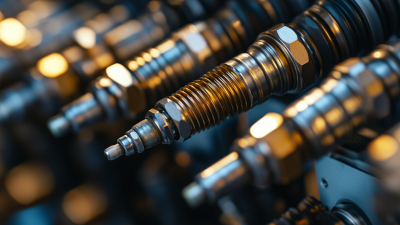
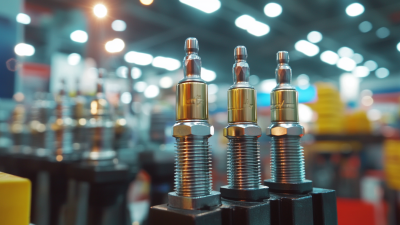
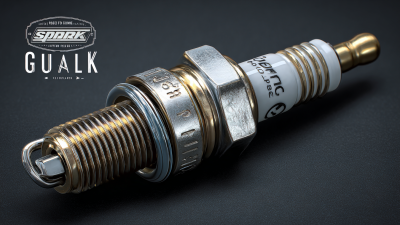
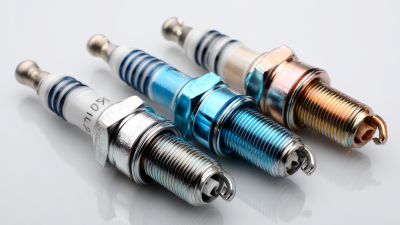
In the competitive landscape of engine performance optimization, the TECHIE Prechamber Spark Plug TISS9295 stands out as a game changer for MWM® engines. Designed specifically to replace the original part number 12282365, this spark plug is compatible with significant models such as the MWM TBG 632 and TCG 2032 A. Leveraging insights from industry reports, it is evident that this advanced spark plug can enhance combustion efficiency, thereby improving overall engine performance.
The innovative engineering behind the TECHIE TISS9295 focuses on delivering reliable ignition and improved fuel efficiency, essential for high-demand applications. By replacing several OEM part numbers—including 1245-3574, 1228-2839, 1228-5124, and 1245-3558—the TISS9295 ensures versatility and ease of integration into existing systems. This compatibility makes it an ideal choice for operators looking to upgrade their engine components without extensive modifications, ultimately leading to a more powerful and efficient engine output.
Investing in the TECHIE Prechamber Spark Plug TISS9295 not only promises improved performance but also offers long-term reliability for MWM® engines, making it a smart choice for those seeking to optimize their operations. As manufacturers continue to evolve, staying informed about advancements in spark plug technology will be crucial for maintaining a competitive edge in engine performance.
: Key certification requirements include compliance with local and international regulations regarding quality, safety, and environmental impact, along with obtaining necessary certifications such as ISO and CE marks.
Maintaining documentation, including test reports and quality assurance processes, is essential for proving compliance, facilitating inspections and audits, and ensuring smooth operations.
Collaborating with credible certification bodies to verify compliance with regulations can enhance a company's reputation and build trust with clients and suppliers.
Quality standards ensure that each component meets rigorous requirements, fostering trust among supply chain partners and guaranteeing product reliability.
Businesses should engage with suppliers that maintain high-quality standards to ensure durability and compliance with necessary technical specifications for optimal product performance.
Staying informed is essential because regulations frequently change, particularly in regions like Southeast Asia, and failing to adapt can lead to penalties and affect market positioning.
Companies face challenges such as adapting to evolving compliance requirements, understanding the implications of international trade agreements, and mitigating sector-specific regulatory risks.
New regulations can impose additional compliance requirements that businesses must meet, potentially affecting their operational processes and market positioning.
Implementing strict quality control measures, conducting regular audits, and encouraging transparent communication among stakeholders can enhance quality assurance and compliance.
Vietnam's economic resilience highlights the importance of maintaining compliance with trade regulations to capitalize on opportunities in bilateral trade within a changing regulatory landscape.