When it comes to keeping your vehicle running smoothly and efficiently, one of those parts people often forget about is the spark plug. Honestly, a lot of car owners might not pay much attention to it, but trust me, it’s a pretty big deal. That tiny component is what ignites the air and fuel mixture inside your engine cylinders, which is basically what keeps everything running nicely. Skimping on Spark Plug Maintenance can lead to all sorts of frustrating issues—like worse fuel mileage, more emissions, or even engine misfires. And nobody wants to deal with costly repairs down the line just because they ignored it.
In this guide, I’m going to walk you through ten really useful tips for Spark Plug Repair that every car owner should keep in mind. Whether you’re a total newbie or someone who’s been messing around with cars for years, these tips are designed to give you the confidence to tackle spark plug issues yourself. Knowing when to swap out your spark plugs, how to install them properly, and being able to spot signs of wear can save you a bunch of time and money. Follow these simple, essential tips, and you’ll keep your car in top shape and maybe even extend its lifespan on the road. It’s easier than you think, promise!

Understanding Spark Plugs: Importance and Function in Your Vehicle
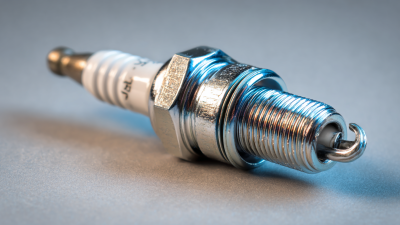
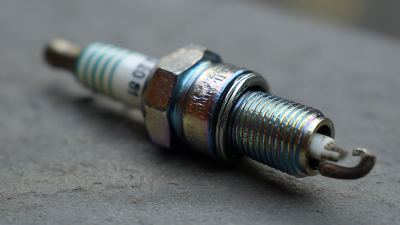
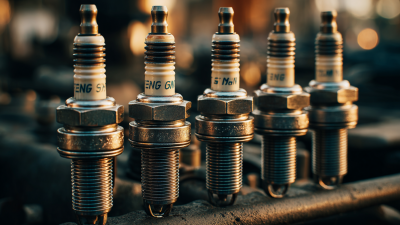
Understanding spark plugs is essential for any car owner who wants to maintain the efficiency and longevity of their vehicle. Spark plugs play a crucial role in the ignition process by providing the spark that ignites the air-fuel mixture in the engine's combustion chamber. This ignition is what powers your vehicle, making it imperative that spark plugs are in good condition. A faulty spark plug can lead to poor engine performance, increased fuel consumption, and even engine damage over time.
To ensure your spark plugs are functioning optimally, one important tip is to regularly check their condition. Inspecting spark plugs every 30,000 miles can help you catch issues early. If you notice any buildup or wear, it might be time for a replacement. Additionally, when replacing spark plugs, always ensure they are properly gapped according to your vehicle's specifications. This can improve combustion efficiency and overall engine performance.
Another tip is to be mindful of your driving habits. Driving conditions, such as stop-and-go traffic or frequent short trips, can contribute to spark plug wear. It might help to schedule vehicle maintenance checks, where the spark plugs can be inspected and replaced if necessary, allowing your engine to run smoothly and efficiently over time. Regular maintenance is key to prolonging the lifespan of your spark plugs and enhancing your vehicle's performance.
Signs of Failing Spark Plugs: How to Identify Issues Early
Identifying failing spark plugs early can save car owners from unexpected breakdowns and costly repairs. One of the most common signs is a decrease in engine performance. If your vehicle struggles to accelerate or feels sluggish during operation, it may be time to check your spark plugs. Additionally, you might notice a rough or uneven idle, which indicates that the spark plugs are not firing properly. This inconsistency can lead to a less efficient combustion process, resulting in poor engine performance and increased fuel consumption.
Another critical sign to watch for is an increase in fuel consumption. If you find yourself refueling more frequently than usual, your spark plugs could be failing to ignite the fuel-air mixture effectively, leading to inefficient combustion. Additionally, strange noises coming from the engine, such as knocking or pinging sounds, can signal a spark plug issue. Finally, if you experience difficulty starting your car or notice a yellowish-brown buildup on the plugs, these can also be telltale signs that your spark plugs need immediate attention to maintain optimal vehicle performance. Regular inspections and timely replacements can help prevent more extensive damage and keep your engine running smoothly.
Essential Tools for Spark Plug Repair and Replacement
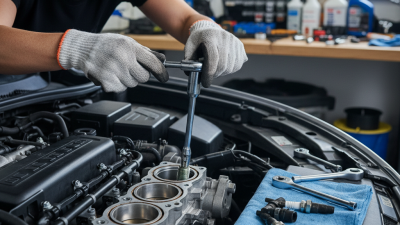
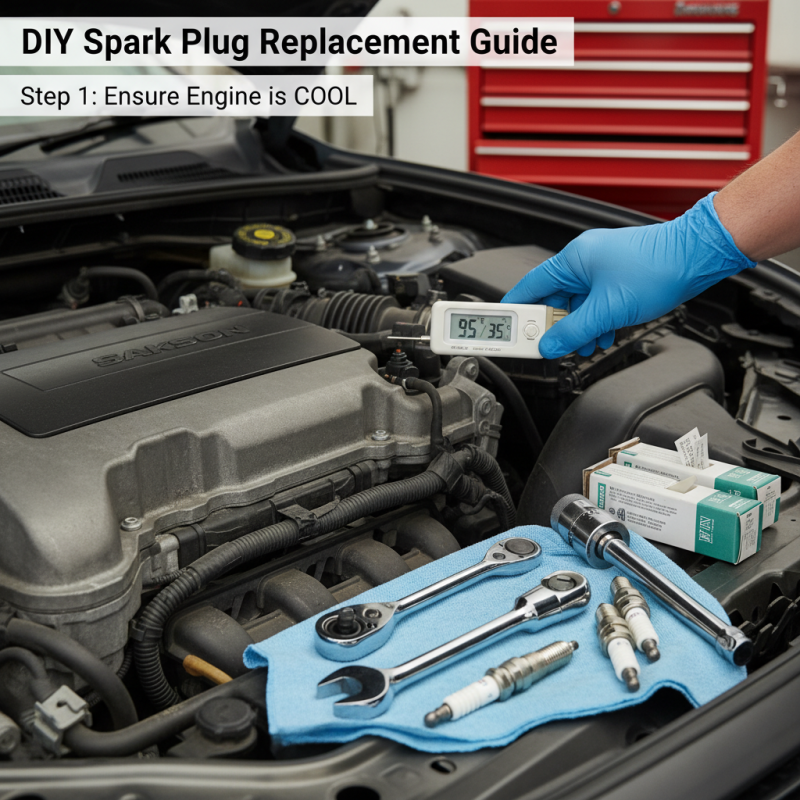
When undertaking spark plug repair and replacement, having the right tools is crucial for achieving optimal performance and longevity of your engine. Essential tools include a spark plug socket, a ratchet wrench, and a torque wrench. The spark plug socket is specifically designed to grip the metal shell of the spark plug, allowing for easy removal without damaging the component itself. According to a report from the Society of Automotive Engineers, using an appropriate spark plug socket can prevent up to 30% of potential damage during the removal process.
Additionally, a quality torque wrench is indispensable for replacing spark plugs. Proper torque settings, often detailed in the vehicle’s service manual, ensure that the spark plugs are tightly secured without the risk of over-torquing, which can lead to stripped threads in the cylinder head. Research indicates that improperly torqued spark plugs can decrease fuel efficiency by as much as 15%, highlighting the importance of using the right tools and techniques during the repair process. Furthermore, a gap gauge is necessary for measuring and adjusting the spark plug gap to manufacturers’ specifications, which plays a pivotal role in engine performance. By equipping yourself with these essential tools, you can enhance your DIY spark plug repair experience significantly.
10 Best Tips for Spark Plug Repair Every Car Owner Should Know - Essential Tools for Spark Plug Repair and Replacement
| Tip Number | Tip Description | Essential Tool | Frequency of Replacement (miles) |
| 1 | Check spark plug condition regularly to avoid misfires. | Spark Plug Socket | 30,000 - 50,000 |
| 2 | Use the correct spark plug gap for your vehicle. | Gap Tool | 30,000 - 50,000 |
| 3 | Inspect for corrosion at the terminal ends. | Wire Brush | N/A |
| 4 | Replace spark plugs when engine starts showing performance issues. | Torque Wrench | 30,000 - 100,000 |
| 5 | Ensure proper installation to prevent leaks. | Ratcheting Wrench | 30,000 - 100,000 |
| 6 | Check for signs of wear and replace as necessary. | Spark Plug Tester | 30,000 - 50,000 |
| 7 | Use dielectric grease on plugs for easier future removal. | Dielectric Grease | N/A |
| 8 | Use the manufacturer’s Recommended Spark Plug type. | Owner's Manual | 40,000 - 100,000 |
| 9 | Clean spark plugs if they are dirty or fouled. | Ultrasonic Cleaner | N/A |
| 10 | Mark the sequence for plug replacement. | Notebook/Marker | N/A |
Step-by-Step Guide to Removing Old Spark Plugs Safely
When it comes to maintaining your vehicle, one essential task is the replacement of old spark plugs. Removing old spark plugs safely requires a careful approach to avoid damaging the engine or injuring yourself. Begin by ensuring that the engine is cool to the touch; working on a hot engine can lead to burns or other accidents. Once you've verified that the engine is cool, gather your tools, which typically include a socket wrench, a spark plug socket, and a torque wrench for reinstallation.
Next, disconnect the battery to prevent any electrical mishaps. Carefully remove the spark plug wires by grasping the boot, not the wire itself, to avoid causing damage. It is important to work on one spark plug at a time to prevent mixing up the order of the ignition system. As you remove each spark plug, inspect it for wear and deposits that could indicate engine issues. When re-installing the new spark plugs, make sure to hand-tighten them first to avoid cross-threading before using the torque wrench to secure them to the manufacturer's specifications. This step-by-step method ensures both safety and the efficient operation of your vehicle.
Installing New Spark Plugs: Best Practices for Optimal Performance
When it comes to maintaining vehicle performance, installing new spark plugs is crucial. According to a report by the Automotive Aftermarket Industry Association, replacing spark plugs at the manufacturer's recommended interval can yield up to a 30% improvementin fuel efficiency. This significant enhancement not only boosts the engine's power but also reduces emissions, making it essential for car owners to understand the best practices for Spark Plug Installation.
Before you start, it's vital to gather the right tools and materials. Ensure your workspace is clean to avoid any contamination. When removing old plugs, use a socket wrench and work gently to prevent damage to the engine threads.
When installing the new spark plugs, always refer to the manufacturer’s specifications for the correct torque settings. Over-tightening can lead to cracked ceramics or damaged threads, while under-tightening may cause the spark plugs to come loose, resulting in engine misfires.
Lastly, consider applying a small amount of anti-seize compound on the threads of the new plugs. This practice, supported by industry experts, helps ease future removal and prevents corrosion. Also, remember to check the gap settings with a feeler gauge, as an improper gap can hinder engine performance and fuel economy. Following these foundational tips can ensure that your vehicle runs smoothly and efficiently, extending the life of both the engine and spark plugs.
Maintaining Spark Plugs: Tips to Extend Their Lifespan
Maintaining spark plugs is crucial for ensuring optimal engine performance and longevity. Regular inspection and timely replacement can significantly extend their lifespan and improve your vehicle's efficiency. One of the best practices is to adhere to the manufacturer's recommended maintenance schedule. This schedule typically provides guidelines on when to inspect and replace spark plugs based on your driving habits and vehicle age. By keeping an eye on the condition of your plugs, you can catch potential issues early, preventing more extensive engine problems down the road.
Another important tip is to keep the ignition system well-maintained. A malfunctioning ignition system can lead to excessive wear and tear on spark plugs, reducing their lifespan. Ensure that components such as ignition coils and wires are in good condition, as this helps distribute energy evenly and minimizes the risk of misfires. Additionally, avoid using low-quality fuels, as they can produce carbon deposits that harm not only spark plugs but also the entire engine. By following these practices, car owners can ensure their spark plugs remain in optimal condition, supporting better fuel efficiency and smoother engine operation.
Troubleshooting Common Spark Plug Problems and Solutions
When it comes to maintaining optimal engine performance, understanding spark plug issues is crucial for every car owner. Common problems with spark plugs can lead to reduced fuel efficiency, increased emissions, and engine misfires. A study conducted by the Society of Automotive Engineers highlights that poorly functioning spark plugs can decrease fuel economy by up to 30%. Regular inspection can help identify signs of wear, such as discoloration or deposits on the electrodes, which suggest that the spark plugs should be cleaned or replaced.
One of the most frequent issues is spark plug fouling, often caused by burning oil or running the engine too cold. To troubleshoot this, owners should check for oily residues or excessive carbon build-up on the plugs. In scenarios where misfiring occurs, it's advisable to examine the ignition system components to ensure that all connections are secure and functioning correctly. The Automotive American Council indicates that replacing spark plugs at recommended intervals, typically every 30,000 to 100,000 miles depending on the type, can significantly enhance engine efficiency and longevity. By keeping an eye on these common issues and following best practices for maintenance, car owners can prevent larger mechanical headaches down the road.
Common Spark Plug Problems and Their Frequency of Occurrence
Maximizing Engine Performance: The Benefits of Using Industrial Spark Plug Replacing Champion RTL85G 556
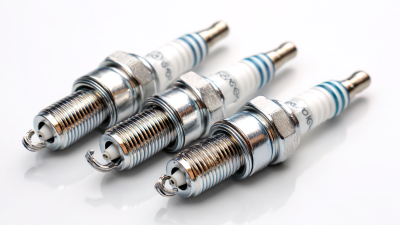
When it comes to optimizing engine performance, selecting the right spark plug is essential. The industrial spark plug designed to replace models such as the Champion RTL85G 556 is an excellent choice for various engines, delivering reliable ignition and enhanced efficiency. This replacement spark plug is engineered to meet the demands of industrial applications, ensuring optimal firing reliability even under challenging conditions.
One of the key benefits of using this industrial spark plug is its compatibility with a range of engine types. Whether in heavy machinery, agricultural equipment, or other industrial engines, this spark plug can significantly improve ignition capacity and fuel combustion. By providing a more consistent spark, it helps to maintain engine performance and longevity, ultimately reducing maintenance costs and downtime.
Furthermore, the durability of this replacement spark plug ensures it can withstand the rigors of industrial environments. With high resistance to wear and thermal stress, it can maintain performance over time, making it a practical investment for anyone looking to get the most out of their engine's performance. Experience the difference that a quality spark plug replacement can make in maximizing engine efficiency and reliability.
FAQS
: Regular replacement of spark plugs at the manufacturer’s recommended intervals can yield up to a 30% improvement in fuel efficiency, boost engine power, and reduce emissions.
You will need a socket wrench and potentially a feeler gauge to check the gap settings. A clean workspace is also essential to avoid contamination.
When removing old plugs, work gently with the socket wrench to prevent damage to the engine threads.
Always refer to the manufacturer’s specifications for the correct torque settings during installation to avoid issues related to over-tightening or under-tightening.
Yes, applying a small amount of anti-seize compound on the threads can help ease future removal and prevent corrosion.
Common signs include discoloration or deposits on the electrodes, which suggest that the spark plugs should be cleaned or replaced.
Spark plug fouling is often caused by burning oil or running the engine too cold, visible through oily residues or excessive carbon build-up on the plugs.
Check the ignition system components for secure and proper functioning connections to diagnose and resolve misfiring issues.
It's generally recommended to replace spark plugs every 30,000 to 100,000 miles, depending on the type, to maintain engine efficiency and longevity.
An improper gap can hinder engine performance and fuel economy, making it important to check and adjust gap settings with a feeler gauge during installation.
Conclusion
Spark Plug Repair is an essential aspect of vehicle maintenance that every car owner should understand. Spark plugs play a crucial role in engine performance by igniting the air-fuel mixture, and knowing their importance can help prevent significant issues. Early identification of failing spark plugs is vital; common signs include engine misfires, reduced fuel efficiency, and difficulty starting the engine.
To effectively perform spark plug repair, it is necessary to equip oneself with essential tools and follow a step-by-step guide for safe removal and installation. Best practices for installing new spark plugs ensure optimal engine performance, while maintenance tips can extend their lifespan. Additionally, troubleshooting common spark plug problems can help car owners address issues promptly, maintaining their vehicle's efficiency and reliability. Understanding these aspects empowers owners to take proactive steps in vehicle upkeep.